
Move Together: Intergenerational Community Dance With Heart
Why Dancing Together Works
Drop-In Social Circles
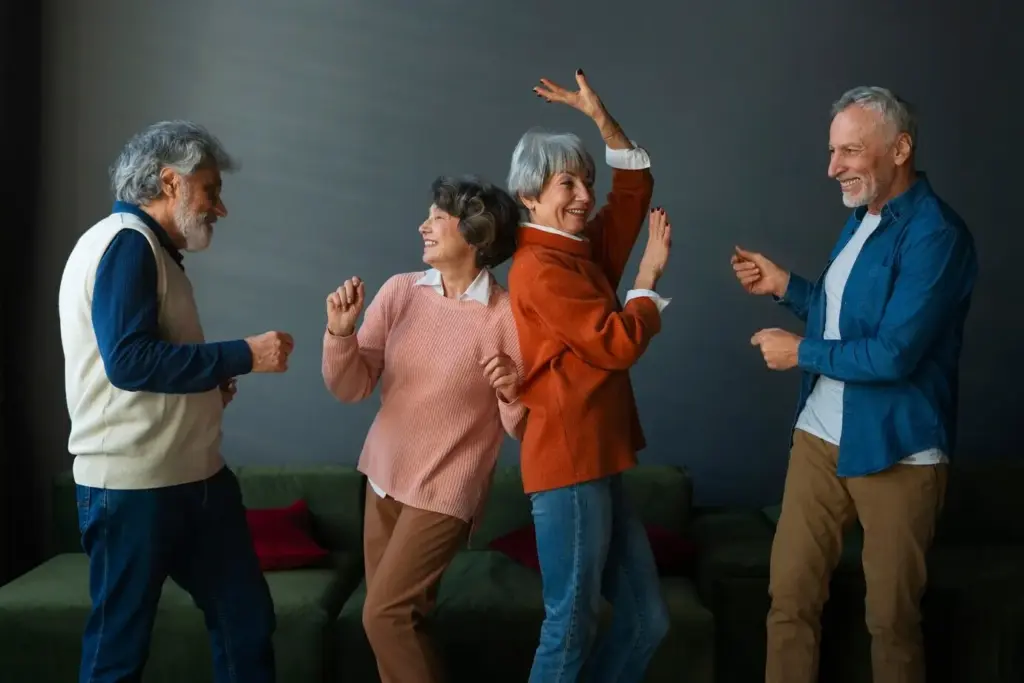
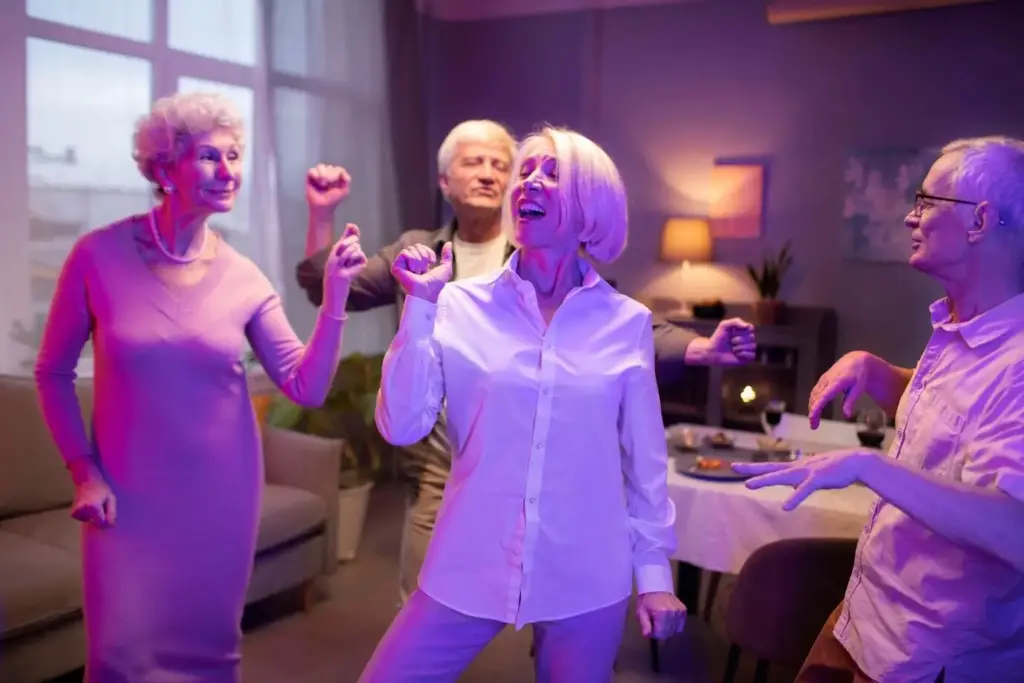
Weekly gatherings with simple, repeatable sequences encourage newcomers and busy caregivers. Circles prioritize conversation, laughter, and low-pressure movement that can be done standing or seated. Refreshments, birthday shout-outs, and song dedications create familiarity, while rotating hosts keep energy fresh, nurturing a dependable rhythm people can count on through changing seasons and schedules.
Intergenerational Ensembles
For communities craving deeper collaboration, performance ensembles offer structured rehearsals, gentle milestones, and celebratory showcases. Adults 60+ share style knowledge, improvisational wisdom, and musicality, while younger peers contribute lifts of energy, production skills, and social outreach. The stage becomes a shared achievement, proving excellence can be inclusive, adaptable, and beautifully shaped by diverse bodies together.
Cultural Exchange Residencies
Short residencies with guest artists invite communities to explore unfamiliar rhythms while honoring local traditions. Workshops build toward a friendly sharing or block-party finale. Adults 60+ contribute stories that contextualize movement, while youth interview elders to document recipes, fashions, and dance histories, creating living archives that outlast rehearsals and strengthen neighborhood pride and continuity.
Designing Welcoming Spaces
Accessibility Without Compromise
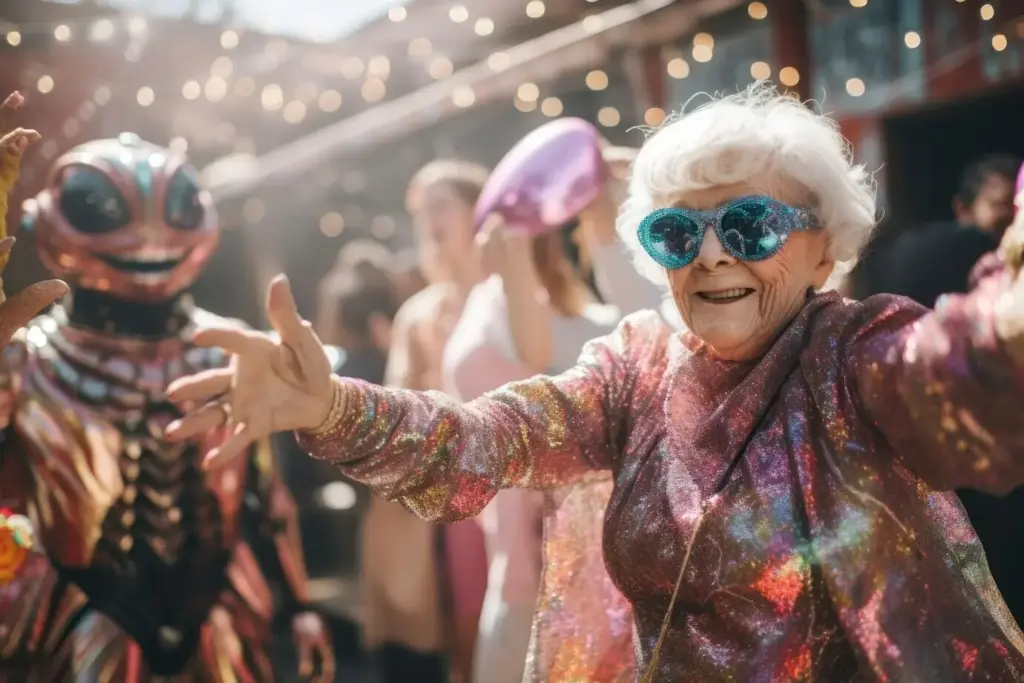
Prioritize step-free entry, slip-resistant floors, sturdy armless chairs, and wide pathways for walkers and wheelchairs. Offer multiple visual cues, large-print handouts, and adequate rest breaks. Place chairs in formations that include seated dancers inside the circle, not at the edges, ensuring participation feels central, valued, and artistically integrated from the first warm-up onward.
Music and Sound that Embrace
Prioritize step-free entry, slip-resistant floors, sturdy armless chairs, and wide pathways for walkers and wheelchairs. Offer multiple visual cues, large-print handouts, and adequate rest breaks. Place chairs in formations that include seated dancers inside the circle, not at the edges, ensuring participation feels central, valued, and artistically integrated from the first warm-up onward.
Logistics That Remove Barriers
Prioritize step-free entry, slip-resistant floors, sturdy armless chairs, and wide pathways for walkers and wheelchairs. Offer multiple visual cues, large-print handouts, and adequate rest breaks. Place chairs in formations that include seated dancers inside the circle, not at the edges, ensuring participation feels central, valued, and artistically integrated from the first warm-up onward.
Teaching Approaches That Honor All Levels
Safety, Consent, and Care
Funding, Partnerships, and Sustainability
Partners Who Share Values
Seek collaborators who prioritize inclusion, respect, and cultural humility. A clinic might host screenings and referrals; a library can curate music history exhibits; a school provides space and youth volunteers. Shared missions prevent burnout, align messaging, and keep decisions centered on dignity, joy, and access rather than shallow metrics or short-term publicity buzz.
Funding With Heart and Data
Tell stories that spotlight elders teaching signature steps, grandchildren discovering heritage, and neighbors staying active. Pair these narratives with attendance trends, fall-risk surveys, and participant testimonials. Funders appreciate both outcomes and delight. A balanced case shows how modest investments yield measurable health gains and priceless social cohesion that strengthens neighborhoods year after year.
Measuring What Matters
Track simple indicators participants care about: confidence standing from chairs, comfort walking to the market, number of new friends, and weekly mood. Mix short checklists with conversations. This respectful feedback loop refines programming while honoring lived experience, proving success through everyday victories that ripple far beyond polished performances or photos.
Start Your Own Community Dance Journey

All Rights Reserved.