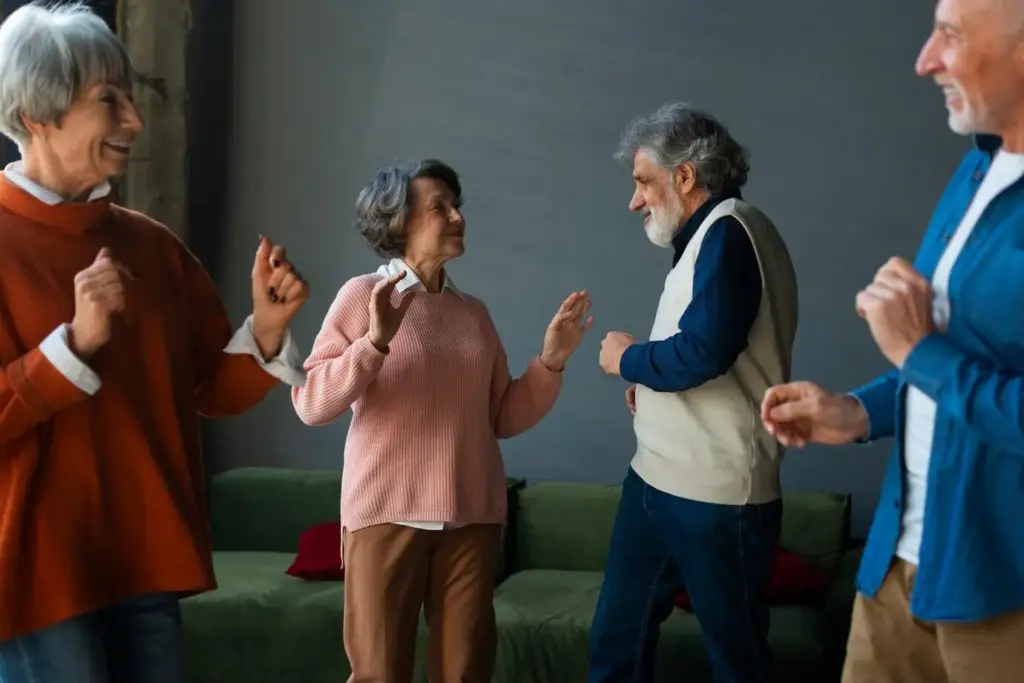
Step Into Noon: Joyful Movement for Stronger Days

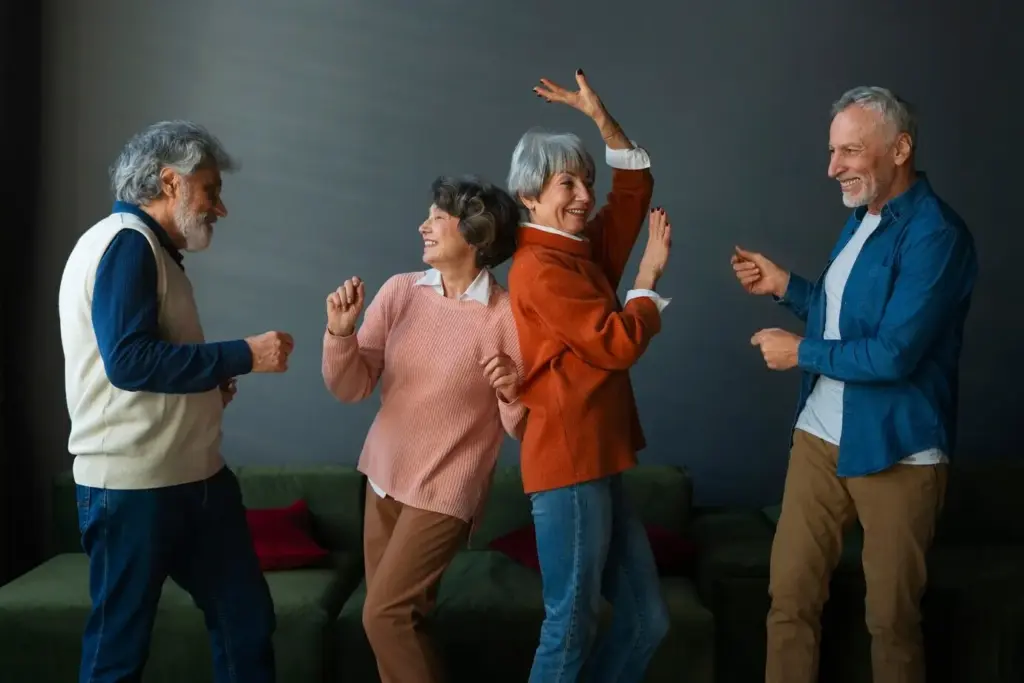
Today we’re exploring the health and social benefits of midday dancing for older adults, celebrating practical ways movement at noon strengthens bodies, brightens moods, and builds friendships. You’ll find research-backed insights, relatable stories, and simple steps to begin. Share your experience, invite a friend, and let lunch-hour music become a reliable anchor that fits medications, sunlight, and energy levels. By the end, you’ll feel ready to try safe, joyful steps and keep coming back.

Why the Middle of the Day Works Wonders
Sunlight, Safety, and Stable Energy

Bright midday light improves visibility, orientation, and mood, which lowers fall risk and hesitation. Hallways are busier with staff, elevators are available, and outdoor routes feel safer. Energy is steadier than early morning, and hunger is manageable with a light snack. Together, these details create relaxed readiness.

Medication Schedules and Mealtime Harmony

Bright midday light improves visibility, orientation, and mood, which lowers fall risk and hesitation. Hallways are busier with staff, elevators are available, and outdoor routes feel safer. Energy is steadier than early morning, and hunger is manageable with a light snack. Together, these details create relaxed readiness.

Temperature and Environment Advantages

Bright midday light improves visibility, orientation, and mood, which lowers fall risk and hesitation. Hallways are busier with staff, elevators are available, and outdoor routes feel safer. Energy is steadier than early morning, and hunger is manageable with a light snack. Together, these details create relaxed readiness.

Heart, Balance, and Mobility That Last

Regular dancing builds aerobic capacity without monotony, strengthens stabilizing muscles, and maintains hip, knee, and ankle mobility. Repeated patterns condition the heart gently while turns and weight shifts challenge balance. Over time, participants notice fewer near-falls, easier stair climbing, and more comfortable morning stiffness, especially when combined with walking.

Sharper Minds and Brighter Moods

The combination of music, memory, and coordinated movement stimulates attention networks while lifting spirits. Learning short routines challenges sequencing and spatial awareness, a proven way to support cognitive reserve. Shared laughter releases endorphins; synchrony increases oxytocin. Many report clearer focus for afternoon tasks and better nightly sleep after dancing.

Small Rituals, Big Belonging

Simple rituals—signing in, greeting with names, choosing a warm-up song—create dependable touchpoints that ease shyness. A short welcome round invites new voices. Keep a shared notebook for wins and requests. These small habits turn strangers into neighbors and make attending feel like stepping into a living room.

Inclusive Spaces, Real Friendships

Offer seated and standing options, visual cues, and captions for lyrics when possible. Encourage partners to rotate kindly, respecting mobility aids and personal space. Tea afterward extends connection for those who need slower goodbyes. Inclusion is not a slogan; it breathes through choices that prioritize dignity and access.

Volunteering and Leadership Moments

Invite participants to help with playlists, welcome tables, or check-ins. Rotating responsibilities builds ownership and pride. Celebrate small leadership moments, like teaching a favorite two-step or leading stretches. These opportunities create momentum to return, and they spark friendships that continue through messages, walks, and shared errands.

Start Smart: Safety, Gear, and Progress

A few thoughtful choices make dancing safer and more sustainable. Supportive footwear, smooth floors, and stable chairs change everything. Plan breaks, sip water, and pace songs to match the room. Check with clinicians when needed, note pain signals, and modify confidently. Safety clears the path for real joy.

Shoes, Floors, and Chairs Used Well

Choose flexible, closed-toe shoes with good traction and cushioned insoles. Test the floor for slippery spots and mark hazards with bright tape. Use sturdy chairs for balance rehearsal, not as a crutch. Small adjustments prevent big setbacks and keep attention on music, conversation, and playful exploration.

Hydration, Breaks, and Breathing

Begin hydrated, then sip between songs rather than chugging afterward. Insert micro-pauses for ankle rolls and shoulder breaths. Notice color changes, unusual fatigue, or dizziness, and tell a partner or leader immediately. Gentle pacing protects enthusiasm, letting curiosity drive progress instead of pressure or unnecessary comparisons.

Medical Check-Ins and Red Flags

Consult a clinician if you have new chest discomfort, swelling, recent surgery, or significant blood pressure changes. Ask for guidance on pacing with beta-blockers or diuretics. Keep emergency contacts visible. A simple pre-class check helps everyone relax, because clarity reduces worry and creates space for enjoyment.

Your First Four Weeks of Midday Moves

Start with friendly, repeatable routines that fit lunch breaks and varied abilities. Keep playlists around three to six songs, mixing tempos. Gradually layer coordination and social elements. Encourage notes about energy, sleep, and mood. Small wins matter. Celebrate progress with photos, messages, or a favorite closing track together.
Nimazixelivozonuku
Privacy Overview

This website uses cookies so that we can provide you with the best user experience possible. Cookie information is stored in your browser and performs functions such as recognising you when you return to our website and helping our team to understand which sections of the website you find most interesting and useful.