

Twist Without the Twinge
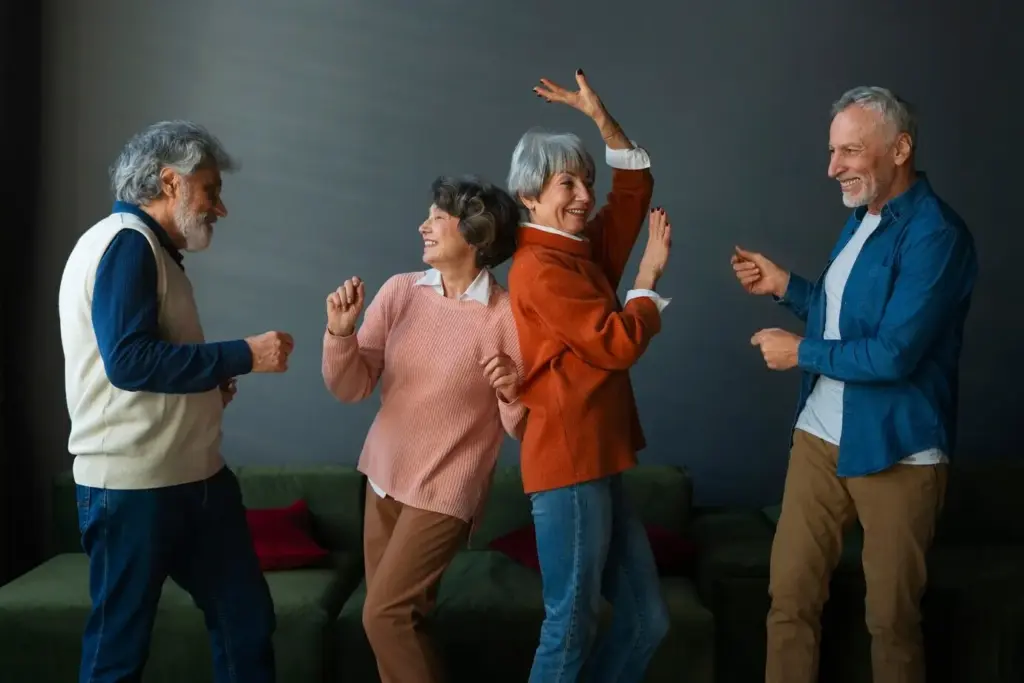
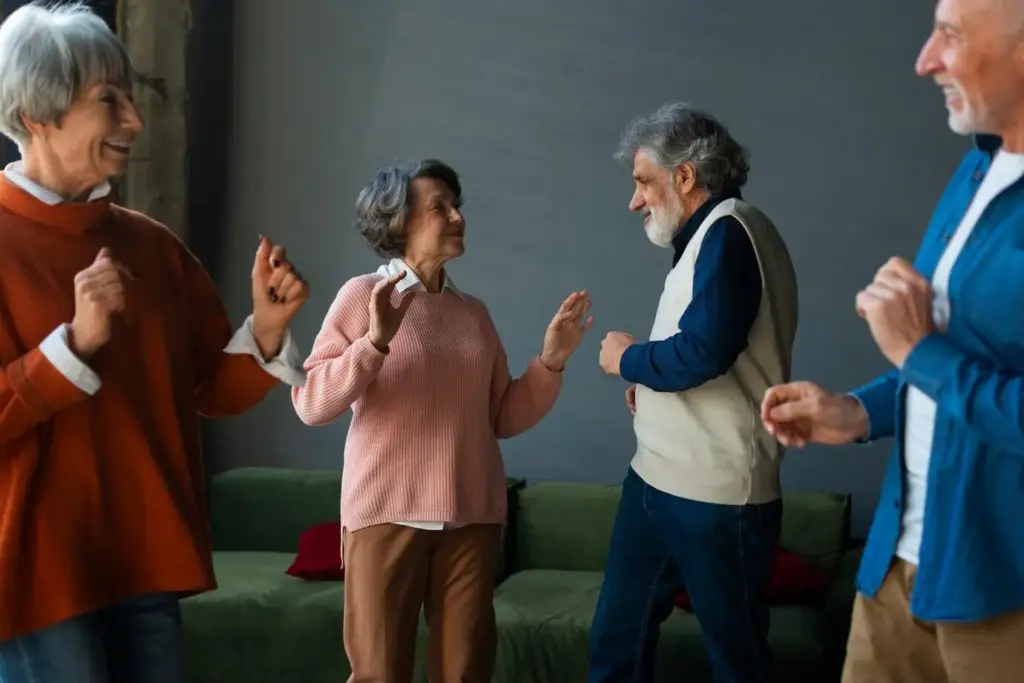
Keep heels planted and let knees track softly as hips rotate to the beat, minimizing torque while preserving that unmistakable Twist attitude. Add upper-body styling for expression instead of force. With tiny ranges and mindful core engagement, you can dance longer, grin wider, and finish feeling refreshed rather than fatigued.

Grapevine with Confidence
Use a gentle side-step pattern with deliberate foot placement, pausing briefly between cross steps to maintain balance. Keep arms open for counterbalance or rest fingertips on a chair for feedback. As timing becomes comfortable, add claps or snaps, transforming a coordination drill into pure, lighthearted fun that still builds muscular endurance.

Cha‑Cha with Chair Options
Slow the tempo and shorten the cha‑cha‑cha to toe taps when knees need kindness, keeping hips playful but supported. A sturdy chair offers instant confidence for directional changes. With practice, many discover they can shift to partial support, savoring graceful patterns while protecting joints and enjoying the music’s flirtatious, buoyant spirit.